
Electricity & power from heat the world leaves behind
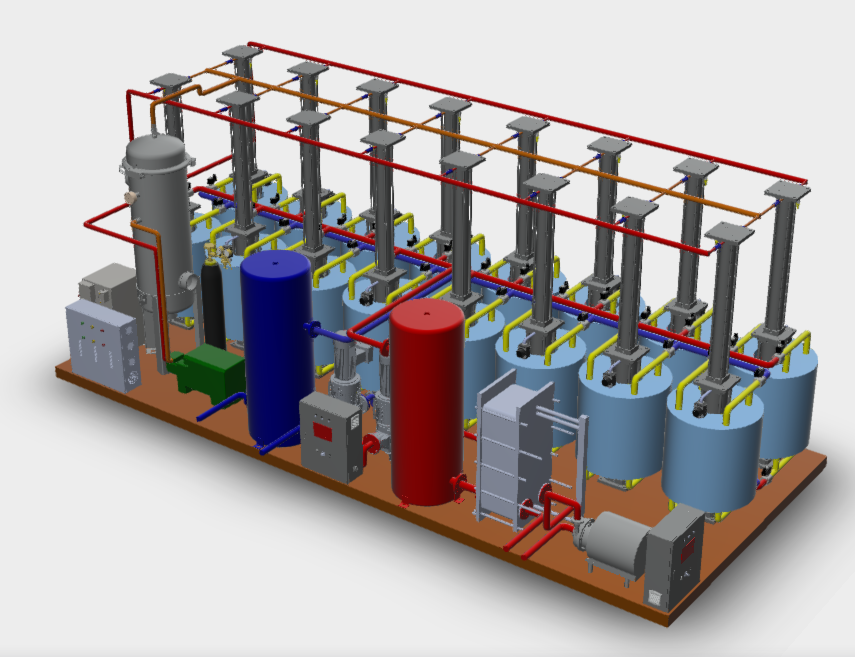
A hydraulic modified Stirling heat engine unlocking thermal energy below 100° C
Heat Engine: a system that transforms thermal energy into mechanical or electrical work.
Video coming soon
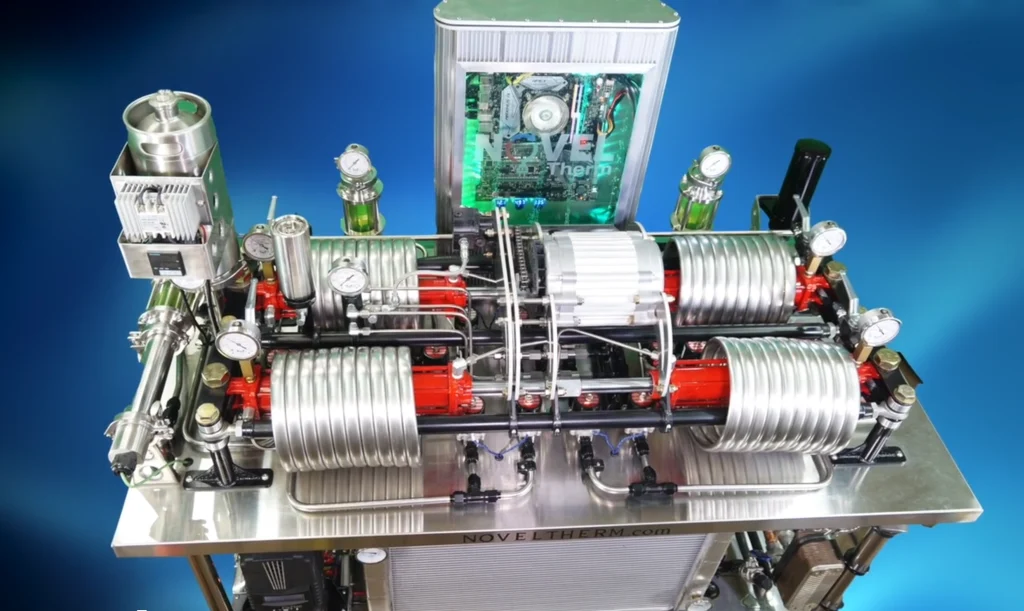
CPE’s innovation begins with the modification of a classic gas Stirling heat engine into a hydraulic version that uses a benign working fluid in a supercritical state.
This conversion engine uses several slow-moving piston assemblies driven by a highly expansive working fluid.
Unlike conventional Organic Rankine Cycle engines (ORCs), the CPE engines’ working fluid does not change phase during the engine cycle. Thus, conserving energy and increasing efficiency.
Engine Process
- Heat Source Activation: A Sub-boiling thermal source fluid enters a heat exchanger, transferring its energy to the primary working fluid. In certain applications, an intermediate closed-loop working fluid can be used which then transfers heat to the primary working fluid i.e. a 2-stage system.
- Pressurization of Working Fluid: The highly expansive working fluid then drives a piston which pressurizes hydraulic fluid typically between 2,000 – 5,000 psi (13.5 – 34.5 MPa). The engine operates without exhaust, odor, vibration or noise.
- Energy Conversion: Pressurized hydraulic fluid from multiple pistons is combined to create a steady flow, which directly drives a hydraulic motor to spin a generator and produce electricity.
- Cooling and Reset: At the end of the power stroke, a cooling cycle reduces the working fluid temperature and resets the piston, allowing the process to repeat seamlessly, approximately one to three cycles per minute.
Key Innovations
- Elimination of Turbines, Screw Expanders and Mechanical Transmissions: It’s simplicity reduces maintenance costs, increases lifespan (projected 40 plus years) and reduces total cost of operation.
- Slow, Powerful Piston Strokes: The individual piston assembly design, at ~ 8 ft (2.5 m) in length, moves slowly while producing very high pressures. The expected cycle time ranges from one to three cycles per minute, resulting in low wear and tear on piston components.
- Hydraulic, Mechanical Solution: The CPE engine design will use common industry standard mechanical / hydraulic / electrical systems lowering complexity and allowing easily sourced components anywhere globally. This will allow for easy commercial standardization.
- Special Working Fluid: A key to the engine’s efficiency is a proven benign special working fluid which is maintained in a high-pressure, supercritical state to enhance its thermal expansion rate in the Sub-boiling temperature range without changing its phase.
- Rapid On/Off Capability: The CPE engine can be designed to cease operation immediately and restart within a few minutes. This would make it ideal for stabilizing power grids using intermittent renewables.
- Efficient Cooling: CPE’s engine should operate efficiently with much less water consumed than is required for conventional ORC and other alternative engine types.
- Modular Design: As designed, individual heat exchanger and piston assemblies could be isolated enabling easy component maintenance or even replacement during continuous operation of the remaining engine cylinders; a unique feature.
- 250 kW Modules
- Operates on Heat Only – NO Fuels
- Modular Piston Assemblies
- Closed Loop System
- Quiet and Odorless
- 40 + Year Projected Lifespan
- Low Maintenance & OpEx
- Low CapEx
- The ability to capture and convert low temperature hot water from sources such as shallow geothermal, focused solar etc., will enable low-cost electricity production or other power applications. Additionally, limited access or availability of clean reliable drinking water competes with and often limits/negates power generation in these areas.
- Critical Point’s engines perform well with sub-boiling temperatures down to 70° C to 105° C (160° F -220° F). Geothermal fields in this (often shallower) low temperature range are more plentiful worldwide and much less costly to develop and operate. Combined with Critical Point’s engines expected long operating lifespan (40 plus years), installation and operation and power generation economics are encouraging.
- The developed world has enjoyed an abundance of energy from several sources. However, shortages do occur and costs keep increasing. Historically, industrial users have not needed high efficiency operations and ignored their waste heat. Many industries could harness waste heat and deliver low temperature resources to a Critical Point conversion engine providing enhanced efficiency, lower OpEx and smaller carbon footprints.
Shallow/Low Temperature Wells are Commercially Advantageous Because:
- They are shorter with significantly easier drilling (i.e. lower geological/drilling risk)
- Require simpler casing and completion designs
- Reduced production/injection pump pressures
- Produce less corrosive fluids (water/brines)
- Produced fluids usually have fewer dissolved minerals.
These factors result in significant cost savings in
well design & construction
pump & engine maintenance
Applications
Generate electricity from low grade geothermal resources previously considered uneconomic
- Geothermal Power Production: Unlocks the power potential of Sub-boiling geothermal resources in shallow wells that were previously uneconomical for conventional geothermal projects. Power can be sold into the grid or used directly.
- Abandoned Oil Wells: In regions where oil extraction activities have ceased, residual geothermal well heat can be utilized for power generation. This approach leverages existing infrastructure, thereby avoiding or postponing the costly requirements of well abandonment.

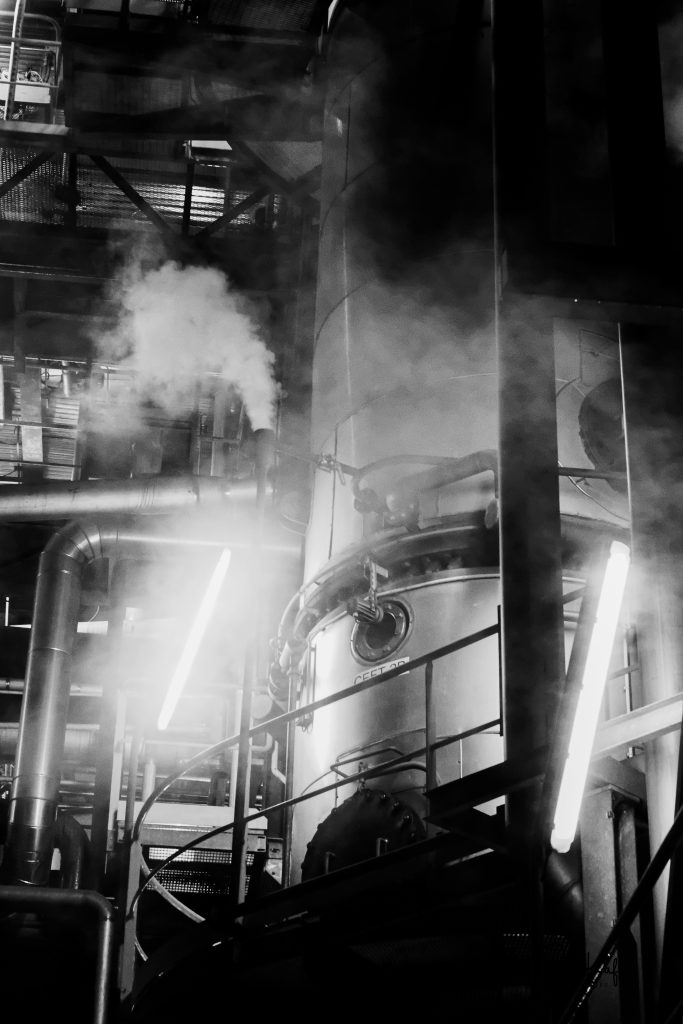
Recover electricity from waste heat streams that are typically lost to the environment.
- Heavy Industries: Steel and aluminium production, chemical production, and oil refining all generate significant waste heat; much of which is too low to be economically useful. Any recovered waste heat means plant efficiencies improve, and carbon footprints are reduced.
- Food Processing: Offering a clean, effective solution for turning low-grade process heat into electricity or mechanical power for pumping and other work.
- Power Plant Applications: High heat organic Rankine cycle or Binary power plants and natural gas power plants produce waste heat. Heat that could be captured and processed by the CPE engine.
Distributed & Off-Grid Energy
Deploy power generation close to the point of energy demand.
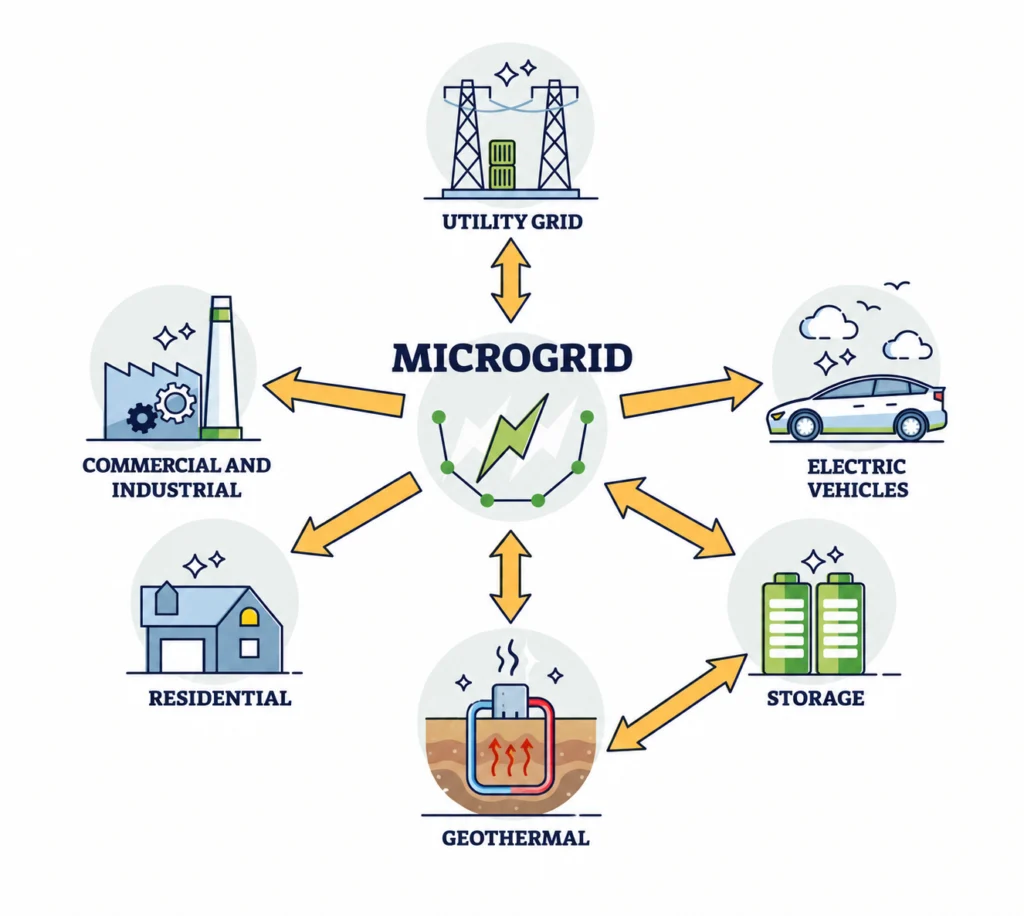
- Off-Grid and Decentralized Power: Localized power distribution, referred to as microgrids, and grids in remote locations could be powered quietly, with a small footprint, using focused solar energy or nearby low heat geothermal resources.
FAQ
What temperature range can the hydraulic modified Stirling engine operate at?
The economically viable sub-boiling temperature range unique in the industry ranges between 160F to 200F or 71.11C to 93.33C. However, higher temperatures work well also.
What applications are being targeted?
At this point, low temperature geothermal installations are the simplest and most profitable to effect.
How can I learn more about investment opportunities?
As a startup, investment opportunities are in transition. So please make contact and we can review any opportunity that may then exist.
What is your timeline?
As a startup, the timeline is contingent upon funding milestones reached, and the resulting development progress. Make contact to discuss our present situation.
Get in Touch
Interested in our technology, investment opportunities, or strategic partnerships?
Please complete the form and we’ll get back to you to discuss how Critical Point Energy can help unlock value from your low-temperature heat resources.